

Working, investing, or doing business across national boundaries brings legal and financial responsibilities that can differ from those at home. Tax residency, contract terms, dispute procedures, and reporting duties may each depend on which countries are involved. This guide explains how these areas generally work so readers can ask better questions before making decisions.
Table of Contents
- Which Country’s Laws Apply
- Contracts and Dispute Resolution
- Tax and Financial Reporting
- Practical Steps for Managing Cross-Border Obligations
- Working With Legal and Financial Professionals
- Frequently Asked Questions
Which Country’s Laws Apply
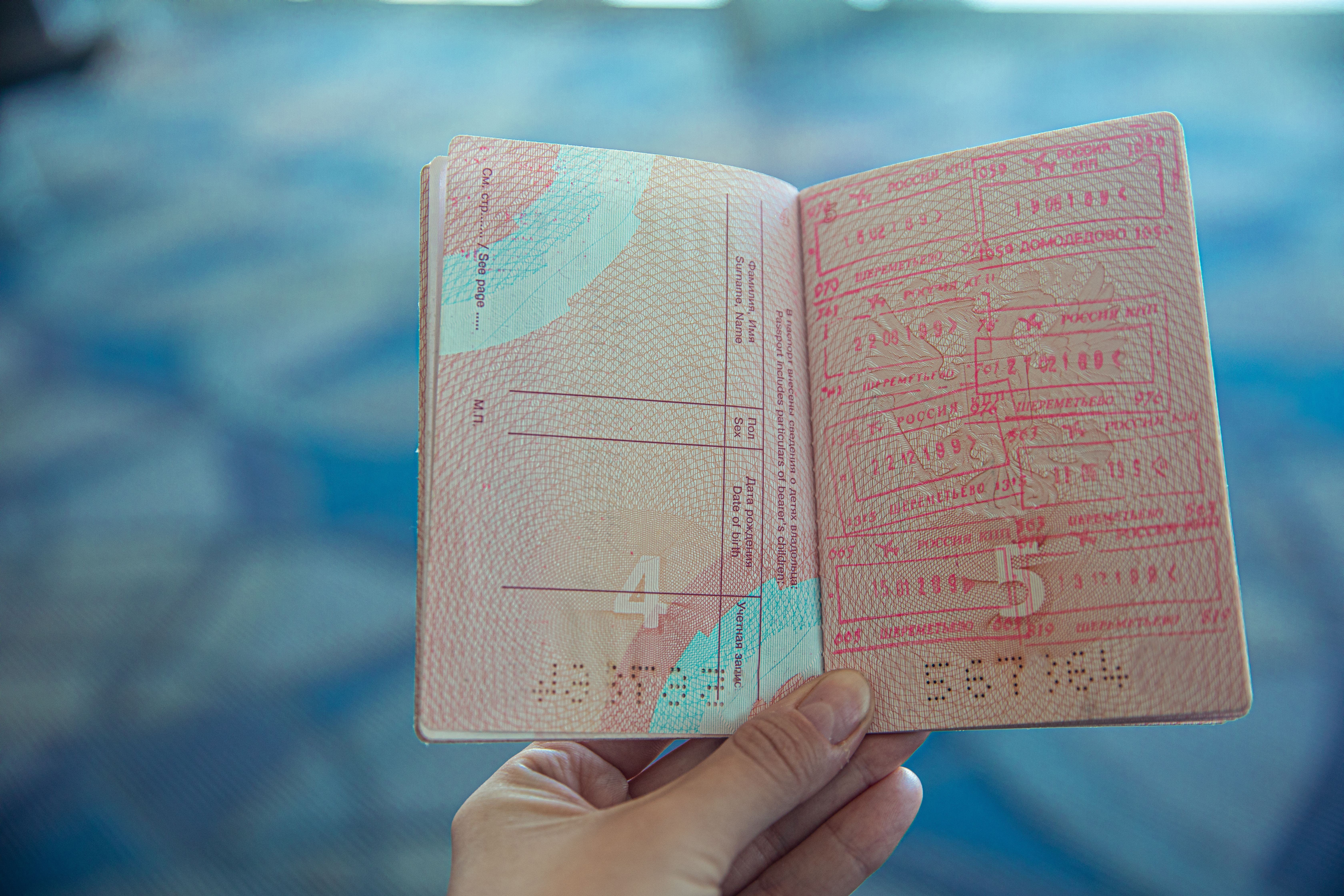
Travel history and residence can influence which legal systems may apply to a person’s affairs.
Jurisdiction describes which courts or authorities have the power to decide a matter, while applicable law describes which set of rules governs it. The two questions are related but separate. A single transaction may involve a court in one country, a governing law clause that names another, and a regulator in a third.
International legal cooperation is supported by treaties and conventions. The Hague Conventions, developed by the Hague Conference on Private International Law, cover topics such as service of documents, recognition of foreign judgments, and choice of court agreements. Whether a given convention applies depends on the countries involved and whether they have joined it.
- Residence: Where a person lives or is domiciled can affect which rules apply to family, property, and tax matters.
- Location of assets: Property located in one country may be subject to that country’s legal and registration requirements.
- Contract terms: Parties may choose a governing law and forum, although mandatory rules in some countries can still apply.
Contracts and Dispute Resolution
Cross-border contracts usually set out payment terms, delivery obligations, liability limits, and how disagreements will be resolved. Clear drafting in these areas helps reduce uncertainty. Many agreements specify arbitration or a particular court, but the enforceability of a judgment or award can vary between countries. Parties often review enforcement rules before signing.
Currency is another common source of friction. Contracts that specify payment in a foreign currency may need clauses addressing exchange rate fluctuations, bank charges, and the date used for conversion. Clarity on these points typically reduces disputes later.
Tax and Financial Reporting

Multiple currencies often mean multiple reporting and conversion considerations.
Tax authorities increasingly share financial information with one another. The Common Reporting Standard developed by the OECD sets out how participating jurisdictions obtain account information from financial institutions and exchange it annually. Participation and implementation details differ by country, so individuals and businesses should confirm the rules that apply to their own situation.
The table below summarizes common reporting areas. Requirements vary by jurisdiction, and the entries are general guidance rather than a complete list.
Practical Steps for Managing Cross-Border Obligations
Good preparation usually makes cross-border responsibilities easier to handle. The following steps are general practices rather than legal requirements:
- List every country where you live, work, hold assets, or earn income.
- Keep records of contracts, invoices, and payments in their original currency.
- Note filing deadlines and reporting thresholds in each relevant jurisdiction.
- Review governing law and dispute clauses before signing agreements.
- Reassess your position when you move, change employers, or open new accounts.
Working With Legal and Financial Professionals

Qualified advisers can help interpret how rules from more than one country apply to a specific case.
Cross-border matters often involve more than one legal system, so advice from a qualified professional in each relevant country may be useful. Lawyers, tax advisers, and accountants can explain how general rules apply to particular facts. Fee arrangements, scope of engagement, and confidentiality terms are typically agreed in writing before work begins.
Readers who want to follow how courts and regulators in different countries handle cross-border matters can also consult reputable international legal reporting alongside official court records and government publications. News coverage can offer context, but it does not replace legal advice on a specific situation.
Frequently Asked Questions
Does living abroad always change my tax obligations?
Not necessarily. Tax obligations may change depending on residency rules, the types of income involved, and any applicable tax treaty. Tax authority guidance in each country is the most reliable starting point.
What is the difference between jurisdiction and applicable law?
Jurisdiction concerns which court or authority can hear a matter. Applicable law concerns which set of legal rules is used to decide it. They can point to different countries.
Can a foreign court judgment be enforced in another country?
This depends on the countries involved, any applicable treaty, and the rules of the enforcing court. Enforcement is decided case by case.
Keeping Your Responsibilities Organized Over Time
Cross-border responsibilities tend to change as circumstances change, so reviewing them periodically can help. Keeping an organized record of residence, accounts, contracts, and advice received gives you a clear starting point whenever a new question arises. Treat general information as a map rather than a final answer, and confirm the details that matter for your own circumstances with official sources and qualified professionals.