Bavaria’s luxury reputation is easy to understand: royal palaces, storybook castles, mountain lakes, and hotels with views that look almost too composed to be real. It is also easy to reduce the region to a short list of names. Munich, Neuschwanstein, Garmisch-Partenkirchen, perhaps a grand afternoon on Lake Chiemsee, then home.
That route works. It is not, however, the whole story. The more rewarding version of a Bavarian luxury trip often begins when you leave the places everyone already knows. Here, luxury means a beautifully located base, an unhurried landscape, a serious meal after a walk, and the feeling that the day has not been arranged by a crowd.
These four destinations are not completely undiscovered, nor should they be marketed as secret hideaways. They are better described as under-chosen: places with enough infrastructure for a comfortable, high-end stay, but enough room to make the trip feel personal.
1. Gößweinstein: a castle stay with Franconian character
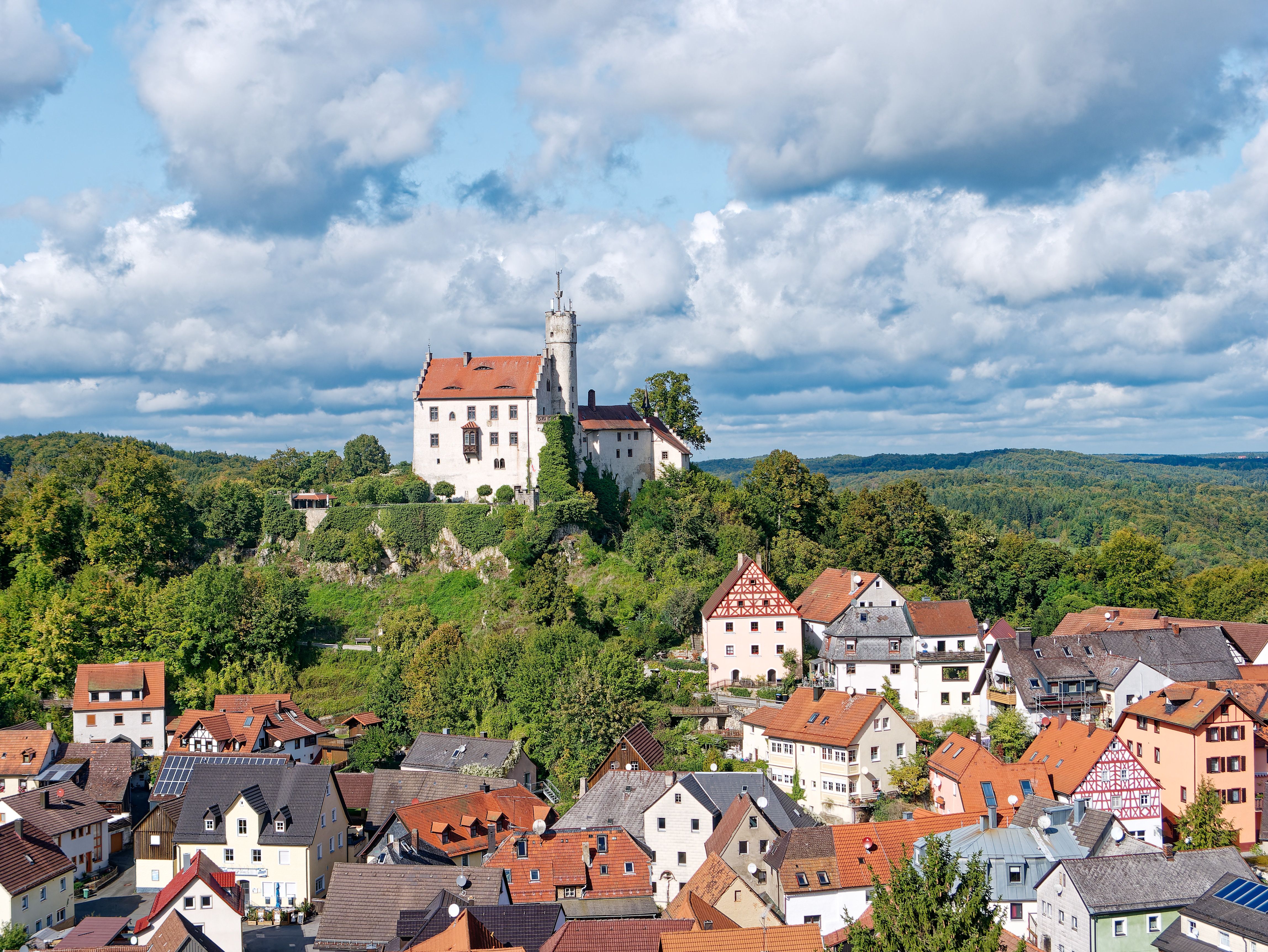
In Franconian Switzerland, Gößweinstein offers the kind of setting that makes a short stay feel longer. The town sits among the region’s distinctive Dolomite limestone formations, wooded valleys, and winding walking routes. Above it, Gößweinstein Castle occupies a steep Jurassic rock and looks across the Wiesent Valley.
The local tourism authority describes the castle as roughly 100 metres above the town, while the wider municipality promotes around 260 kilometres of marked hiking paths. Those details matter because they explain the destination’s real appeal: this is not a place where the principal attraction is consumed in twenty minutes and then abandoned. The castle is an anchor for a landscape that rewards wandering.
There is also a cultural pairing here that feels unusually strong. The town’s basilica was designed by Balthasar Neumann and built between 1730 and 1739; the nearby castle supplies the medieval drama, while the basilica supplies baroque scale. The Tourismusverband Franken guide to Gößweinstein Castle is useful for checking opening information before travelling, particularly because seasonal access matters.
For a luxurious weekend, stay somewhere with a view toward the castle or basilica, arrange a table focused on regional Franconian cooking, and keep the schedule deliberately light. The splurge should go into privacy, comfort, and time rather than a packed list of attractions. A sunrise walk, a late breakfast, and an afternoon excursion to another part of Franconian Switzerland will feel more indulgent than rushing between monuments.
2. The quieter lake country: Tegernsee, Schliersee, and the art of doing less
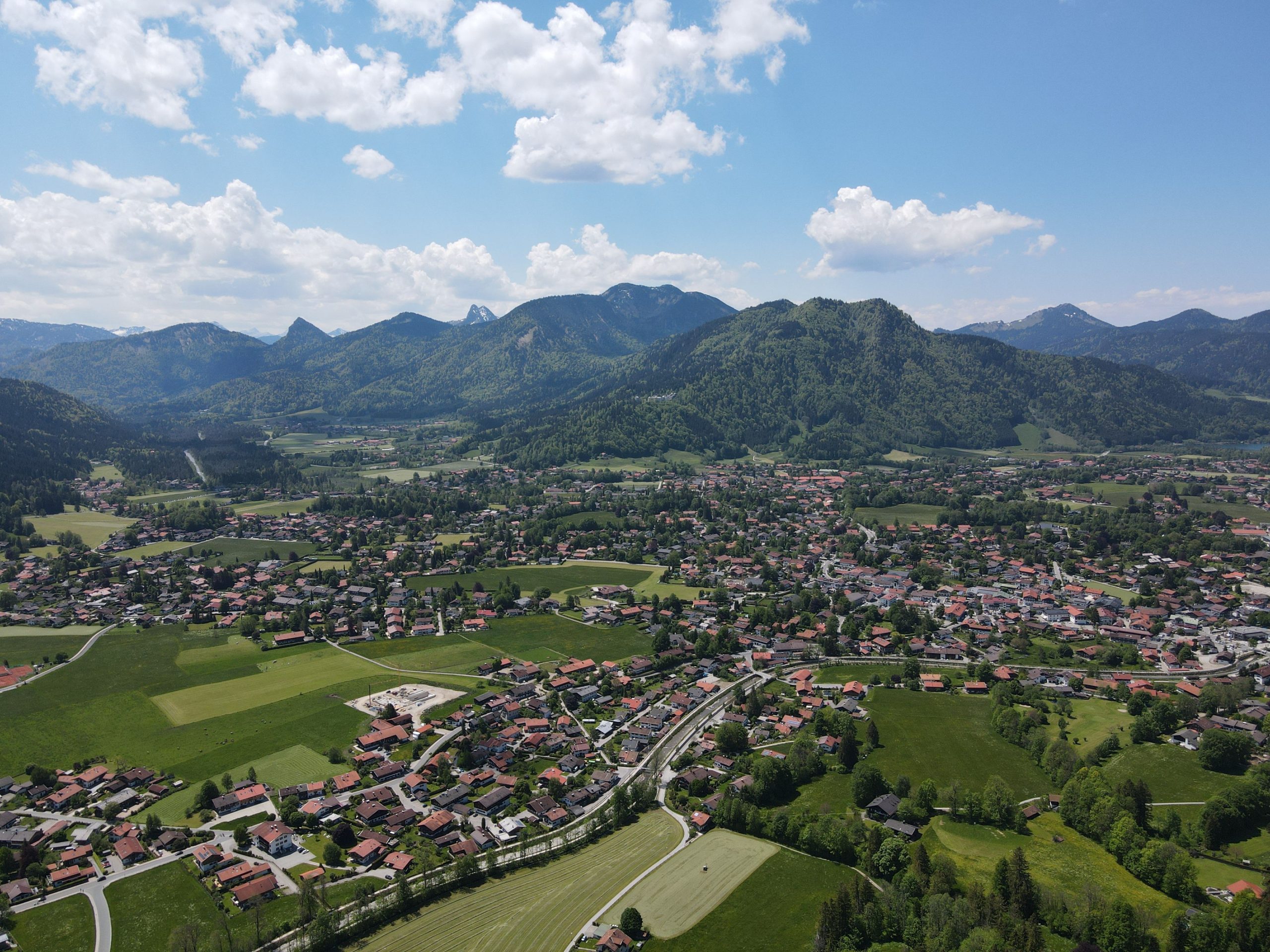
Tegernsee is not an unknown destination. It is popular, polished, and close enough to Munich for an easy escape. That is precisely why it belongs on a list of lesser-used luxury bases: it can deliver a sophisticated lake-and-mountain break without requiring an ambitious transfer day.
The regional tourism organisation places Tegernsee and Schliersee about an hour from Munich by car and highlights the combination of alpine trails, traditional food, lodges, and access to places such as Spitzingsee and Valepp. The area’s appeal is not one single landmark. It is the ability to move between a refined lakeside morning, a mountain afternoon, and a deeply local dinner without changing hotels.
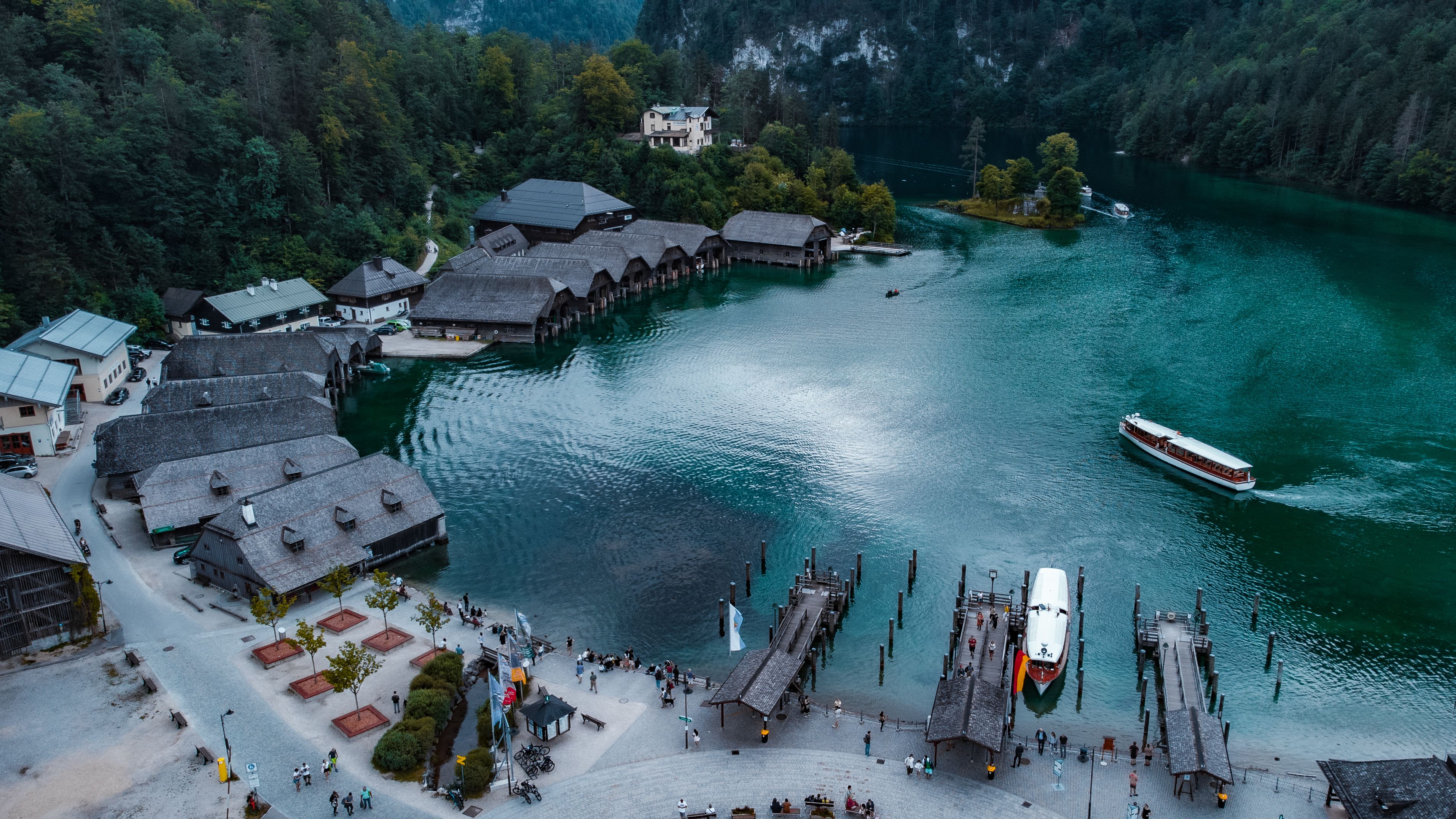
Choose Tegernsee if you want a stronger mix of restaurants, wellness, and gentle sightseeing. Choose the Schliersee side if your preference is a slightly quieter base with easy access to walks and mountain scenery. In either case, book a room where the view does some of the work. A balcony facing water or forest is not a decorative extra here; it changes the pace of the entire stay.
My view is that this is the best option for travellers who want luxury without theatricality. You can dress for a good dinner, take a boat or lakeside walk, and return to a comfortable room without turning the trip into a performance. The official Tegernsee-Schliersee regional guide is a good starting point for matching villages, trails, and seasonal events to your preferred pace.
For evenings, travellers who want a discreet, pre-arranged social experience can also consider Louisa Escort as part of a private night in the region. Keep the wider itinerary respectful of local communities: lakeside villages are living places, not resort sets.
3. Füssen beyond the castle photograph
Füssen is often treated as a staging post for Neuschwanstein. That is a mistake. The town and its surrounding lakes make a persuasive base in their own right, especially for travellers who want history, walking, and water without spending every hour in a tour queue.
The image most visitors carry of the area is the famous royal castle. The better luxury itinerary uses it as one element, then shifts attention toward the landscape around Füssen. Lake Bannwaldsee, northeast of the town, is a protected nature reserve with marshy meadows, reeds, and paths along the shore. Motor boats, sailing, surfing, and stand-up paddleboarding are restricted there, which is part of the point: the setting is designed for a quieter encounter with the water.
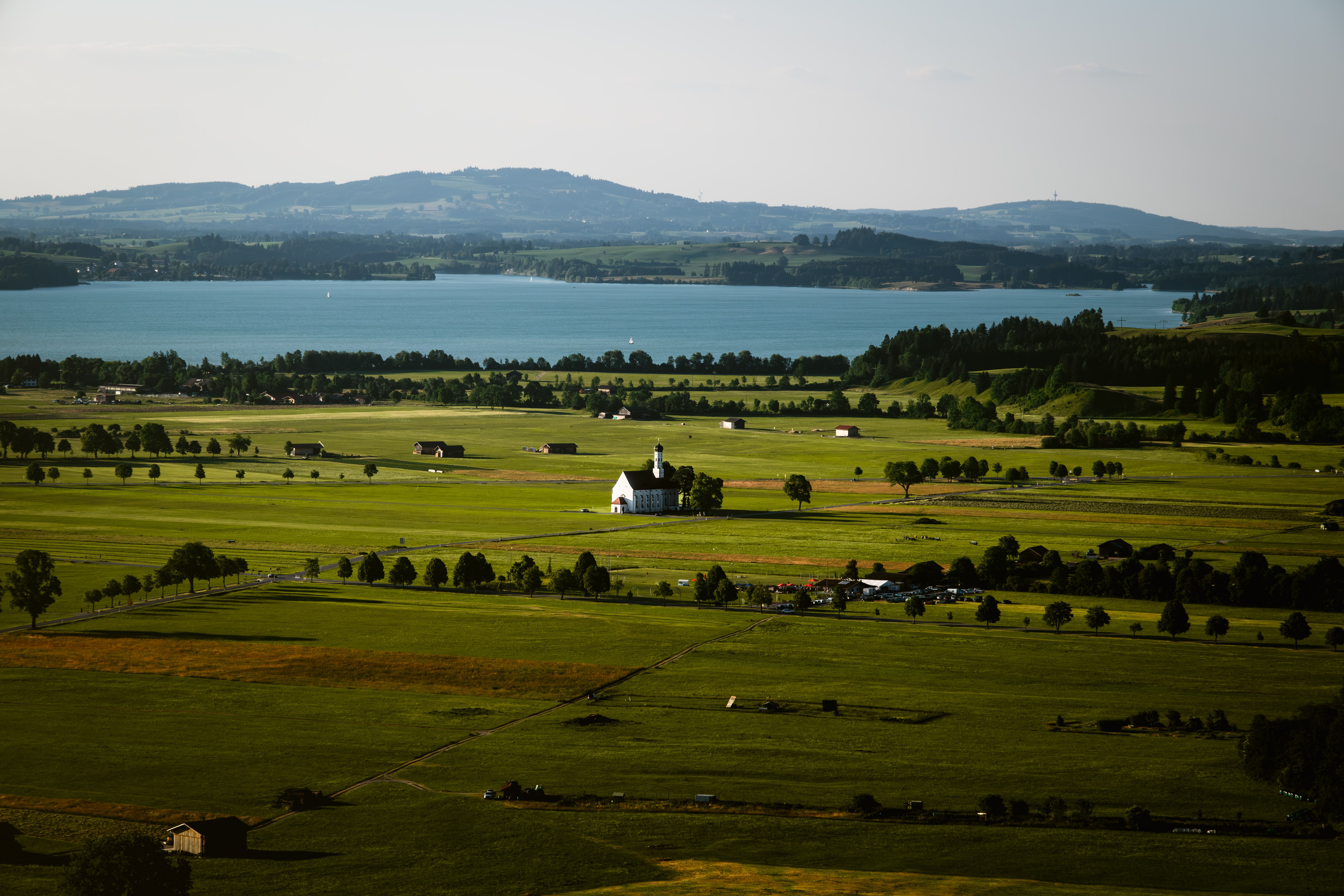
Another option is Forggensee, where boat trips, cycling, swimming, and broad views toward the Ostallgäu mountains create an easy full day. The lake’s character changes across the year, and the Bavarian tourism guide notes that parts of the lakebed become visible in winter before the reservoir reaches its fuller summer level. That seasonal shift is a useful reminder that Bavaria is not a single postcard; it is a working landscape with different moods.
Stay in or near Füssen for access to restaurants and culture, but plan at least one day around the water rather than another castle. A private guide can make the historic material more coherent, while a late afternoon beside Bannwaldsee or Forggensee gives the trip breathing space. Luxury here is contrast: one grand, heavily photographed sight balanced by several hours that feel almost unclaimed.
4. Grainau and Eibsee: alpine drama without the generic resort script
Grainau sits beneath the Zugspitze and gives visitors access to one of Bavaria’s most arresting lake landscapes: Eibsee, with clear green water, forested edges, and small islands. It is not entirely hidden. The lake attracts visitors precisely because it is beautiful. Yet Grainau remains a more interesting base than simply ticking off a mountain viewpoint and moving on.
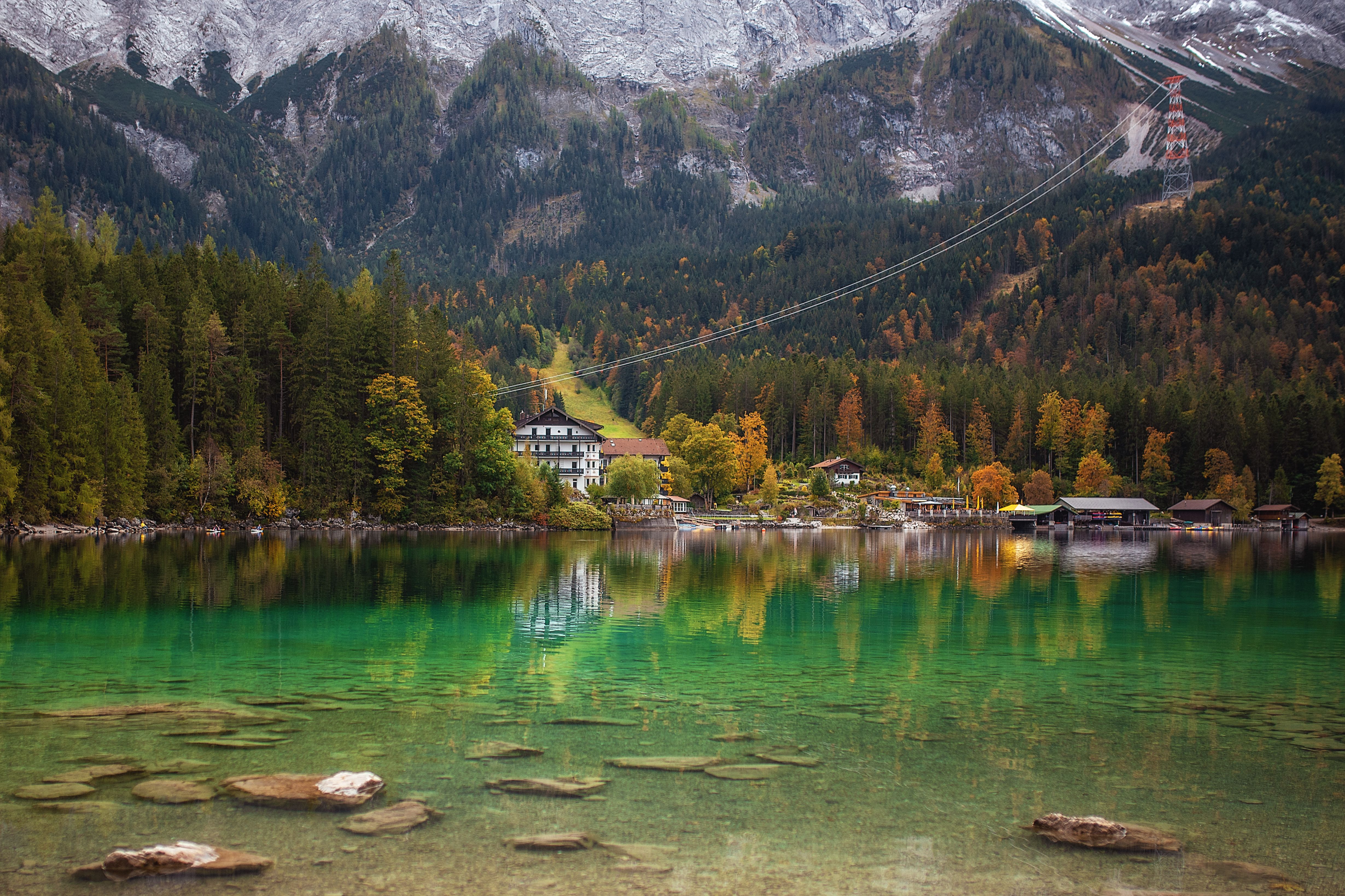
The official Bavaria travel guide describes Eibsee as lying just under 1,000 metres above sea level and notes the walk around the lake, boat rentals, and connections by train and bus. That combination makes it surprisingly flexible. You can build a day around a full lakeside circuit, choose a shorter outing, or use the area as the starting point for a more ambitious mountain experience.
The luxury version of Grainau is not necessarily the most ostentatious hotel. It is a room with a view, a well-timed transfer, and a plan that avoids arriving at the lake at the same moment as everyone else. Go early, travel outside the busiest summer periods if your schedule allows, and leave enough time for the weather to change. Mountain scenery is at its best when it is not being forced to perform on demand.
There is a reasonable objection to the hidden-gem trend: calling popular places “secret” can simply create another crowd. I agree with the objection. These destinations are worth visiting not because nobody knows them, but because they offer more than their headline image. The aim should be to spread attention, stay longer, use local businesses, and choose experiences that do not turn every landscape into a checklist.
How to plan a high-end Bavaria itinerary
Do not combine all four places in a frantic week. A more satisfying plan is to choose one cultural base and one alpine or lakeside base. Gößweinstein works with a northern Bavaria route; Tegernsee or Grainau can pair naturally with Munich; Füssen deserves at least two nights if you want to explore beyond Neuschwanstein.
- For architecture and food: choose Gößweinstein and allow time for Franconian Switzerland.
- For wellness and easy access: choose Tegernsee or Schliersee.
- For history and lake walks: choose Füssen, then add Bannwaldsee or Forggensee.
- For mountain scenery: choose Grainau and build the itinerary around Eibsee, not only the summit.
Travel in shoulder seasons when possible, but confirm opening hours and transport schedules before committing to a day trip. In a region shaped by mountains and water, weather is not a minor inconvenience; it is part of the itinerary. Build in one flexible day, reserve the best meal early, and avoid changing accommodation every night.
The point of going slightly out of the way
Bavaria’s famous attractions are famous for good reasons, and there is no virtue in pretending otherwise. The smarter luxury trip simply refuses to stop there. It adds a castle town where the walk is the attraction, a lake where the silence matters more than the photograph, and a mountain base where the best hour may be the one left unscheduled.
That is the real value of these lesser-known destinations. They do not offer a cheaper imitation of Bavaria’s grand circuit. They offer a different measure of richness: fewer rushed decisions, more local texture, and enough quiet for the landscape to become memorable.
How this article was put together
This guide was researched against regional and official tourism sources checked in October 2026, including Tourismusverband Franken, the Tegernsee-Schliersee regional organisation, and Bavaria’s official travel magazine. I prioritised destinations represented by the supplied images and focused on verifiable landscape, heritage, access, and activity details rather than unconfirmed hotel rankings or current prices. Accommodation availability, opening hours, transport timetables, and seasonal restrictions should be checked again before booking.