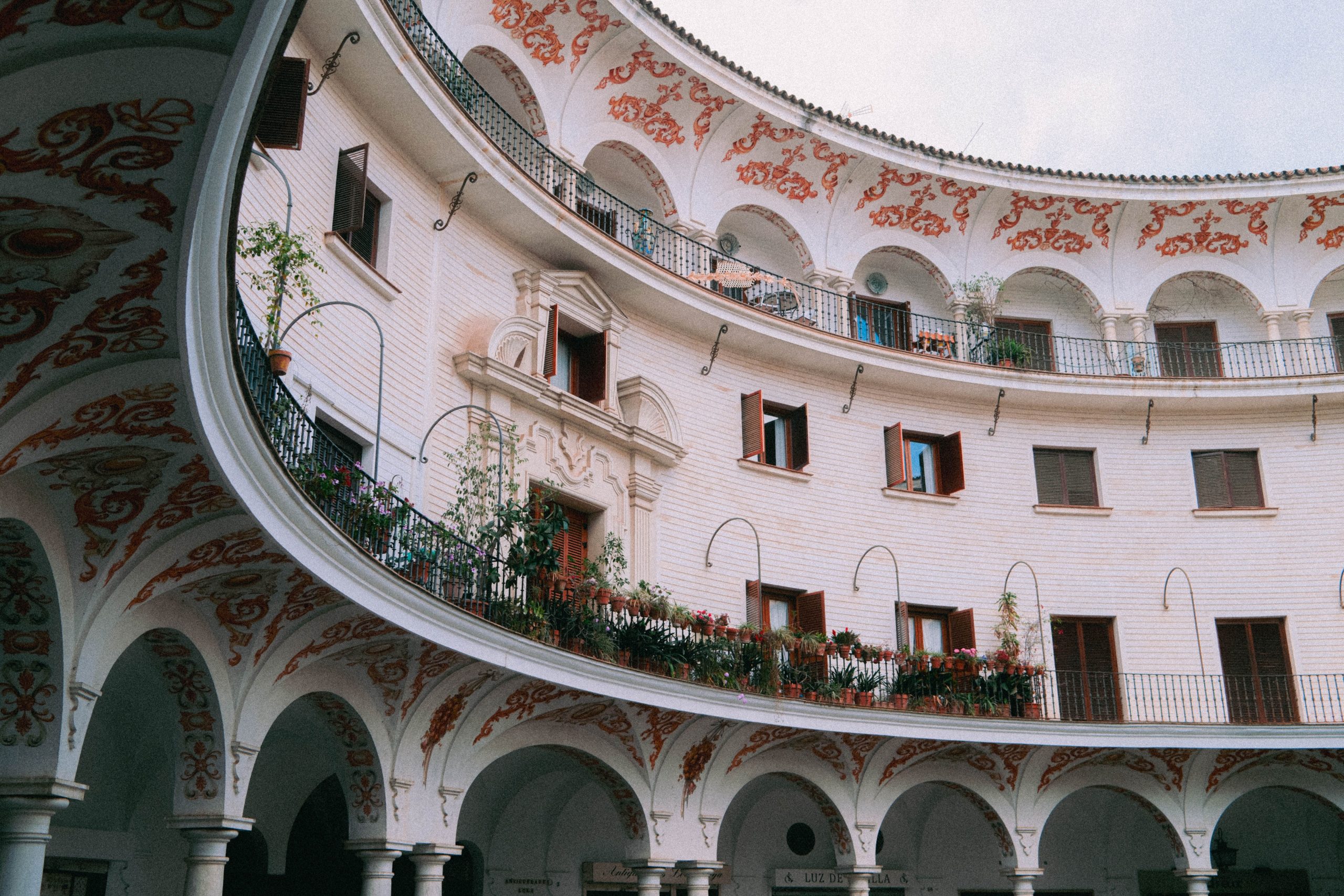
For a small hotel in Málaga, a family-run guesthouse near Nerja, or a walking tour operator in Córdoba, social media rarely fails because the business has nothing worth showing. It fails because the good material appears once, at the wrong time, and then disappears beneath tomorrow’s breakfast photo.
A free content scheduler fixes the operational problem. It gives a small team a repeatable way to publish useful, specific reminders about the stay or tour before a traveller makes a decision. It will not create demand by itself, and it cannot repair slow replies or a confusing booking page. But it can keep your best reasons to visit visible while you are changing rooms, guiding a group, or checking in late arrivals.

Why consistency matters in Andalucía’s tourism market
Andalucía is busy enough that a business does not need to invent urgency. The region received 37.9 million tourists in 2025, up 5.2% on the previous year, according to the Andalusian Institute of Statistics and Cartography’s 2025 tourism release. The same release put average stay at 6.2 days and estimated average daily tourist spending at €87.05.
Those figures describe opportunity, not a promise for any individual property. A traveller staying nearly a week is also comparing more than a room: where to eat, which excursion fits the weather, whether the transfer is easy, and whether the operator looks dependable. A post that answers one of those questions is more commercially useful than a vague “come and enjoy paradise” caption.
My view is that small operators should schedule fewer posts, but make each one do a job. The job might be to help a visitor picture the experience, remove a practical objection, or make the next step obvious.
The simple booking journey your calendar should support
Before opening any scheduler, divide content into three stages. This prevents the common mistake of publishing only polished destination imagery, which attracts attention but leaves a potential guest with no reason to choose you.
- Discovery: Show the setting and the feeling of the experience: a quiet courtyard before breakfast, a sunset route, a market street before the crowds.
- Confidence: Answer the questions that stop people booking: meeting point, walking distance, accessibility, luggage storage, cancellation terms, languages, or what happens in hot weather.
- Decision: Give a clear next action: check dates, request availability, reserve a tour, or send a WhatsApp message. Link to the relevant page, not merely to the homepage.
For a hotel, a week might contain two discovery posts, two confidence posts, and one decision post. For a tour operator, the mix could be one route preview, one guide introduction, one practical briefing, one guest question, and one date-led invitation. The ratio matters less than covering all three stages.

Choosing a free scheduler without overcomplicating the job
You do not need a large social-media stack to begin. Choose the tool that matches the channels you already maintain and the person who will review the calendar.
Adobe Express’s content planner offers a free plan with a calendar for creating, previewing, and scheduling content across Instagram, Facebook, TikTok, X, Pinterest, and LinkedIn. Adobe says the free plan allows up to 1,000 posts per month across those channels and one account per social channel. For a small hotel, the useful part is not the high ceiling; it is the ability to see whether next week contains a coherent mix of room, area, and booking information.
Meta Business Suite is the more natural starting point if your business only uses Facebook and Instagram. Meta’s own instructions cover creating and scheduling posts for both destinations, while Instagram’s help documentation says public accounts can schedule photos, carousels, and Reels up to 30 days ahead, subject to the platform’s stated limits. That makes it a sensible option for an owner who wants fewer connected tools and already works inside Meta.
Do not pick a scheduler because it has the longest feature list. Pick one that lets you preview the post, see the publishing date clearly, and hand over access without sharing a personal password. A calendar that nobody checks is just another abandoned login.
Build one month of content from the same raw material
Small tourism businesses often think they need 30 new ideas for 30 days. They do not. One well-documented experience can produce several useful posts when the angle changes.
| Raw material | Post angles | Booking role |
|---|---|---|
| A room or apartment | Morning light; storage; who it suits; what is nearby | Discovery and confidence |
| A guided route | Meeting point; one surprising stop; footwear advice; pace and duration | Confidence and decision |
| A local food experience | Ingredient story; market timing; dietary question; seasonal availability | Discovery and confidence |
| A guest question | Short answer; map or video; link to the detailed policy | Confidence |
The important detail is the final column. A “what we saw today” post may be attractive, but a “the tour starts 400 metres from the station and finishes near the market” post can remove a real booking objection. Use the caption to carry the information; use the image to make the information worth stopping for.
A 45-minute weekly workflow for a very small team
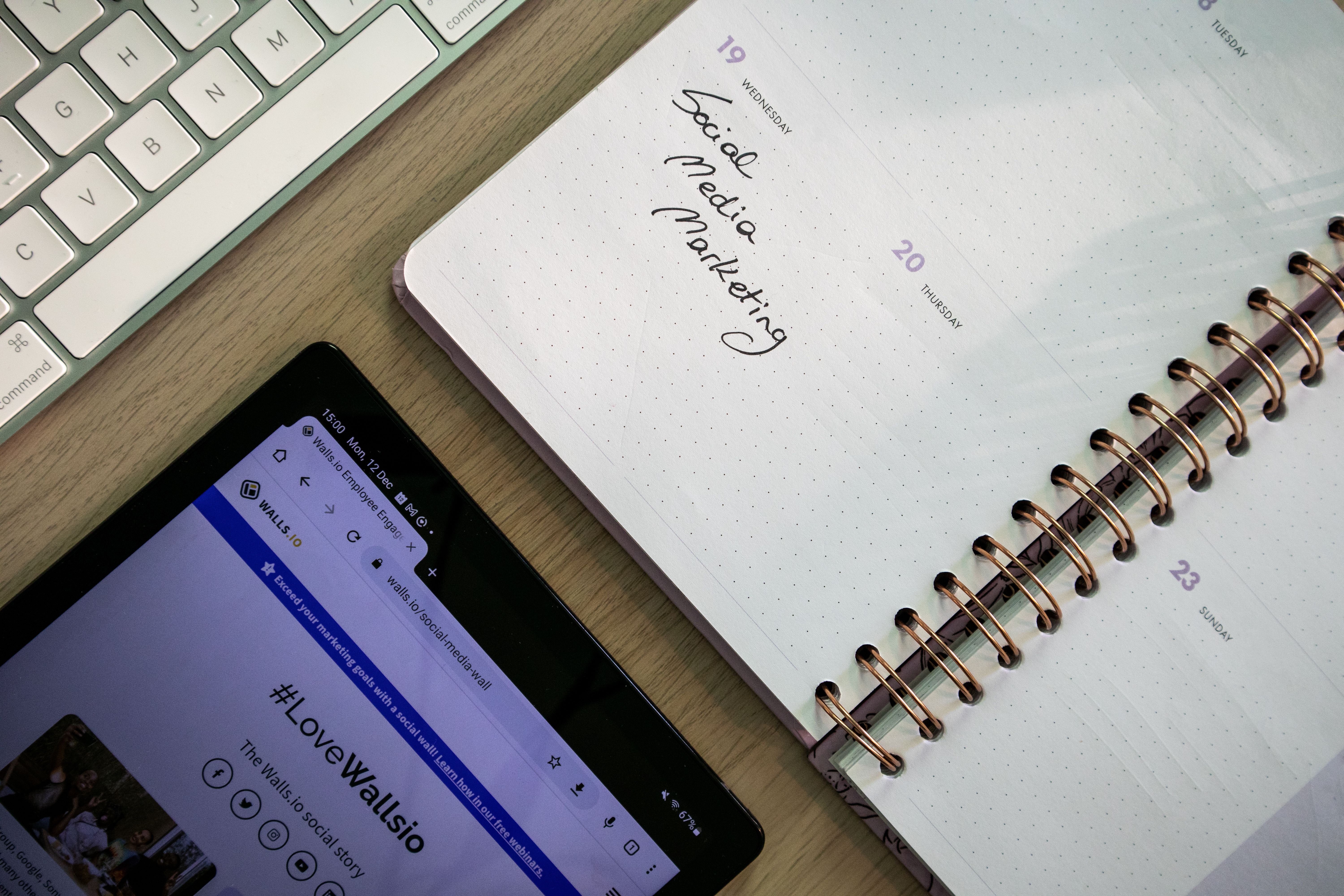
Set aside one short session each week, ideally when the person who knows the operation is present. The goal is not to produce perfect campaigns. It is to prevent the calendar from becoming detached from reality.
- Check the operation. Note sold-out dates, unusual opening hours, weather-sensitive tours, maintenance, local events, and any policy that has changed.
- Choose five useful moments. Give each one a stage: discovery, confidence, or decision. If every post is discovery, add practical information.
- Reuse approved assets. Keep a folder of current room photos, route images, maps, logos, and short clips. Remove anything that no longer represents the product.
- Write the action first. Decide whether the reader should check availability, ask a question, or read the details. Then write the caption around that action.
- Preview on mobile. Check the first sentence, the crop, the link, the date, and the language. A scheduled mistake is still a public mistake.
- Leave room for live posts. Do not fill every slot. Andalucía’s weather, festivals, transport disruption, and last-minute availability are reasons to keep some flexibility.
For multilingual audiences, avoid publishing a machine-translated paragraph that becomes less clear than the original. A short, well-edited English or Spanish caption is better than six versions nobody has proofread. If your guests commonly use another language, prepare a small set of reviewed phrases for arrival instructions and booking questions rather than translating everything from scratch each week.
What to measure when the goal is bookings
Follower growth is easy to see and easy to overvalue. For a hotel or tour operator, track the steps closer to revenue:
- Profile visits after posts that show a specific experience.
- Clicks to the booking, availability, or enquiry page.
- Messages that mention a post, route, offer, or practical detail.
- Enquiries that become confirmed reservations.
- Which topics produce saves or shares from people planning a trip.
Use a simple monthly note: date, post topic, link clicks or enquiries, and confirmed bookings you can reasonably connect to it. Do not claim that a booking came from Instagram merely because the guest follows you. Ask, use campaign-specific links when practical, and accept that some discovery happens before the final direct visit.
There is a reasonable opposing view here: a scheduler can make a business sound repetitive or impersonal, especially when it automatically republishes identical copy across every network. I agree with the warning, but not with the conclusion that scheduling is the problem. The fix is to schedule the structure and the useful information, then reserve live time for replies, current conditions, and the details that make the business feel present.

The mistakes that quietly waste a scheduler
- Scheduling expired offers. Add an end date to every promotion and review the queue before a new month begins.
- Sending everyone to the homepage. Deep-link to the room, tour, dates, or enquiry form that matches the post.
- Publishing the same caption everywhere. Adjust the opening line and call to action for each platform instead of treating the calendar as a photocopier.
- Ignoring comments and messages. Automation creates a promise of responsiveness; it does not fulfil it.
- Posting only in high season. Use quieter months to explain routes, answer planning questions, and show why a shoulder-season visit works for the right traveller.
The last point is especially important for smaller inland businesses. The regional 2025 tourism balance reported stronger hotel performance on the coast while inland hotel activity declined, so an inland operator should not simply imitate a beach property’s content. It should sell the things a coastal feed cannot: access to villages, food traditions, walking routes, lower-density experiences, or a slower base for exploring.
A scheduler is useful only when it leads somewhere
Free scheduling tools remove a recurring chore. They do not decide what makes your property or tour worth booking, and they do not replace accurate availability, fast answers, or a trustworthy website. Their value is narrower and more practical: they help a small Andalucía business show up consistently with information that moves a traveller from “that looks nice” to “can I book this?”
Start with one channel, one month, and five posts a week at most. Give every post a job, connect the decision-stage posts to a real booking path, and review what generated enquiries rather than applause. That is enough structure to turn scattered phone photos into a modest but useful booking system.
How this article was put together
This guide was prepared for owner-operated hotels and tour businesses in Andalucía. Regional tourism figures were checked against the Andalusian Institute of Statistics and Cartography’s 2025 release and the Junta de Andalucía’s 2025 tourism balance; scheduler capabilities were checked against Adobe Express, Meta Business Suite, and Instagram help documentation during research in October 2026. Platform limits and features can change, so review the relevant help page before building a long publishing calendar. No booking uplift is promised: the recommendations describe an operating process, not a guaranteed marketing result.