
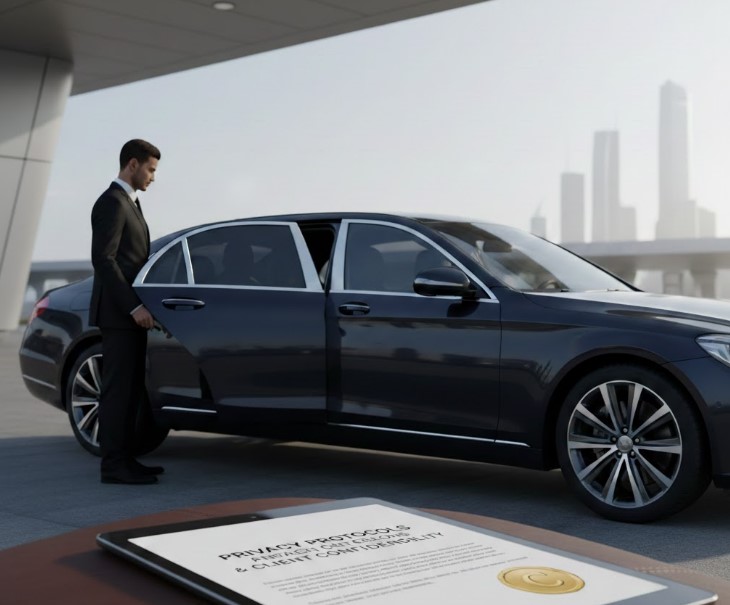
Privacy has become one of the most requested features in modern transport. A 2023 mobility survey found that more than 60 percent of executive travelers ranked discretion as equally important as punctuality. That shift says a lot about how people move today. High-profile professionals, families, and even everyday clients increasingly want transportation that blends into the background rather than drawing attention.
A chauffeur service operates very differently from standard private hire when it comes to privacy. From the moment a booking is made to the final drop-off, discretion is built into the process. This guide explains how professional chauffeur services protect client privacy through discreet pickups, unmarked vehicles, and carefully trained drivers, without sacrificing comfort or reliability.
Why Privacy Matters in Professional Chauffeur Services
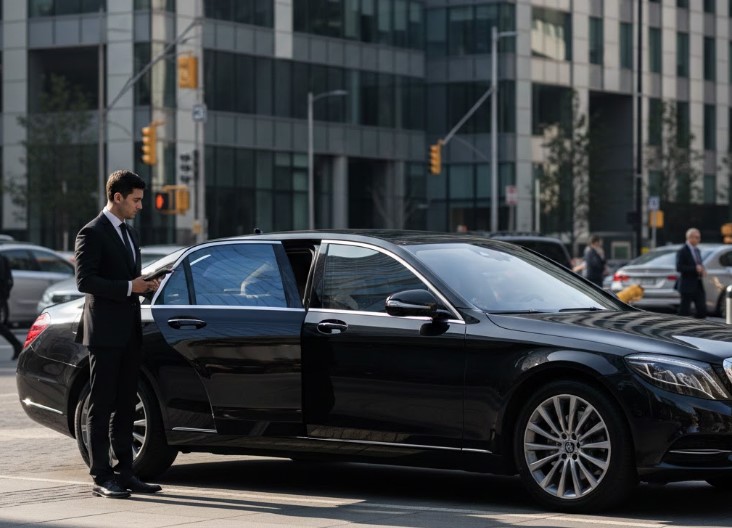
Privacy is not a luxury add-on. For many clients, it is the core reason they choose a chauffeur service over other transport options. Business travelers often discuss sensitive matters en route. Families may want quiet, low-profile transfers. Public figures need to move without being noticed.
A professional chauffeur service treats privacy as an operational standard rather than a special request. That approach affects everything from vehicle selection to driver behavior.
Key reasons clients value privacy include:
- Avoiding unwanted attention at homes, hotels, or offices
- Protecting confidential conversations during travel
- Reducing stress by maintaining a calm, controlled environment
This expectation sets the foundation for how discreet pickups and unmarked vehicles are planned and executed.
Discreet Pickups and Drop-Offs as a Core Operating Principle
Discretion begins before the vehicle even arrives. Professional chauffeurs are trained to approach each pickup location with awareness and restraint. The goal is to collect or drop off passengers efficiently while minimizing visibility.
Drivers avoid unnecessary signaling, loud greetings, or blocking entrances. Timing is carefully managed so vehicles arrive close to the agreed time rather than waiting conspicuously outside a property.
Typical discreet pickup practices include:
- Positioning vehicles slightly away from main entrances when appropriate
- Using pre-arranged signals or messages instead of phone calls on arrival
- Coordinating entry points with clients in advance
This quiet approach allows passengers to move smoothly without attracting attention, particularly in busy urban areas.
Unmarked Vehicles and Their Role in Client Privacy
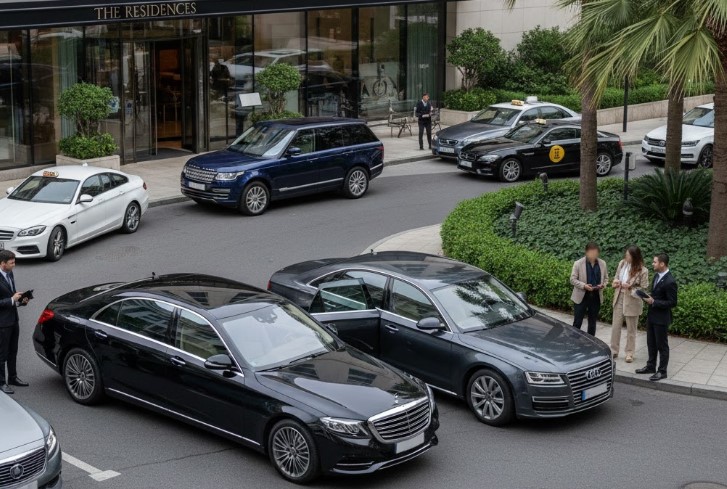
Unmarked vehicles are one of the most visible indicators of a privacy-focused chauffeur service. Unlike promotional fleets, these vehicles carry no logos, decals, or identifying graphics. To an outside observer, they look like standard high-end cars rather than commercial transport.
This matters more than many people realize. Branded vehicles can unintentionally signal who is being transported, especially at hotels, offices, or residential properties.
Unmarked fleets offer clear privacy benefits:
- No visible connection to a transport company
- Reduced interest from bystanders or photographers
- Seamless integration into everyday traffic
The result is a transport experience that feels personal and low-key rather than publicly staged.
Regional Expectations and Discretion in Urban Settings
Privacy expectations can vary by location, particularly in large cities where movement is constant and highly visible. In busy metropolitan areas, chauffeur services often refine their discretion practices even further.
In cities like Manchester, clients frequently require transport that supports business confidentiality and personal privacy at the same time. A Manchester chauffeur operating in this environment must understand traffic patterns, building access points, and timing strategies that reduce exposure. Quiet arrivals at corporate offices, hotels, or private residences are part of everyday service rather than special arrangements.
This local awareness ensures that discretion remains consistent even in dense urban conditions.
Driver Training Focused on Privacy and Professional Conduct
Vehicles alone do not guarantee privacy. The chauffeur plays an equally important role. Professional training emphasizes discretion as a behavioral standard, not just a policy.
Chauffeurs are instructed to remain observant without being intrusive. They speak only when necessary and never initiate conversation about personal or professional matters unless invited by the client.
Core privacy-focused driver practices include:
- Maintaining confidentiality of routes, schedules, and client identities
- Avoiding eye contact with bystanders during pickups
- Refraining from discussing passengers with colleagues or third parties
This disciplined approach creates an atmosphere where clients feel secure and respected throughout the journey.
Booking and Communication Protocols That Protect Confidentiality
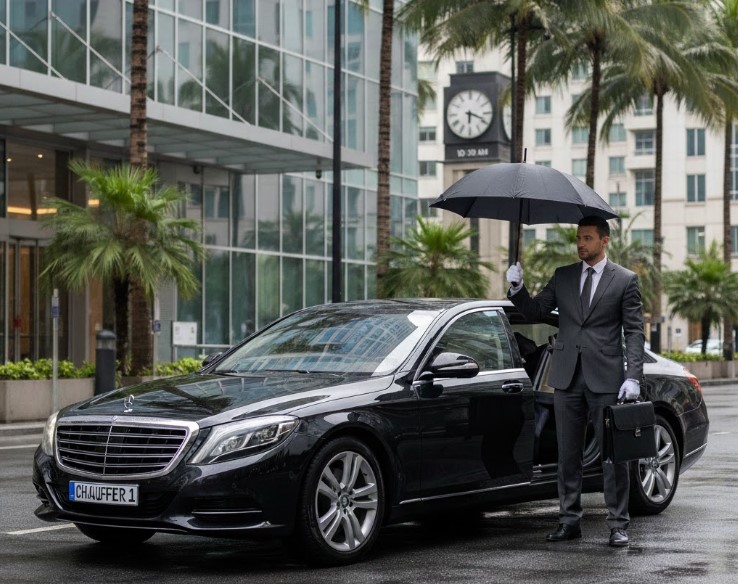
Privacy protection begins long before the journey itself. Professional chauffeur services use structured booking systems designed to limit unnecessary data exposure.
Client details are collected only when required for service delivery. Communication is kept concise and direct, often using secure digital channels rather than public or recorded phone lines.
Common confidentiality measures include:
- Restricted access to booking details within the company
- Clear policies on data retention and deletion
- Discreet confirmation messages without revealing trip specifics
These systems ensure that personal information remains protected from the moment a booking is made.
Route Planning That Avoids Unwanted Exposure
Thoughtful route planning is another quiet but powerful privacy tool. Chauffeurs do not simply follow the fastest route suggested by navigation apps. They consider visibility, congestion, and potential points of attention.
In some cases, a slightly longer route may be chosen if it offers more privacy. This is especially relevant near hotels, venues, or residential streets with heavy foot traffic.
Privacy-aware route planning often involves:
- Avoiding known gathering spots or media-heavy areas
- Selecting secondary entrances for large buildings
- Adjusting arrival times to reduce crowds
These decisions are subtle but significantly reduce exposure during transit.
Managing Luggage and Vehicle Interaction Discreetly
Even small details like luggage handling can affect privacy. Professional chauffeurs manage loading and unloading quickly and quietly, without unnecessary display.
There is no calling out names, no visible checklists, and no attention-drawing behavior. Everything is done with minimal motion and clear purpose.
Discreet interaction standards typically include:
- Handling luggage without verbal confirmation in public spaces
- Keeping doors open only as long as necessary
- Avoiding prolonged stops outside properties
These practices help ensure that arrivals and departures remain smooth and unobtrusive.
Privacy Inside the Vehicle During the Journey
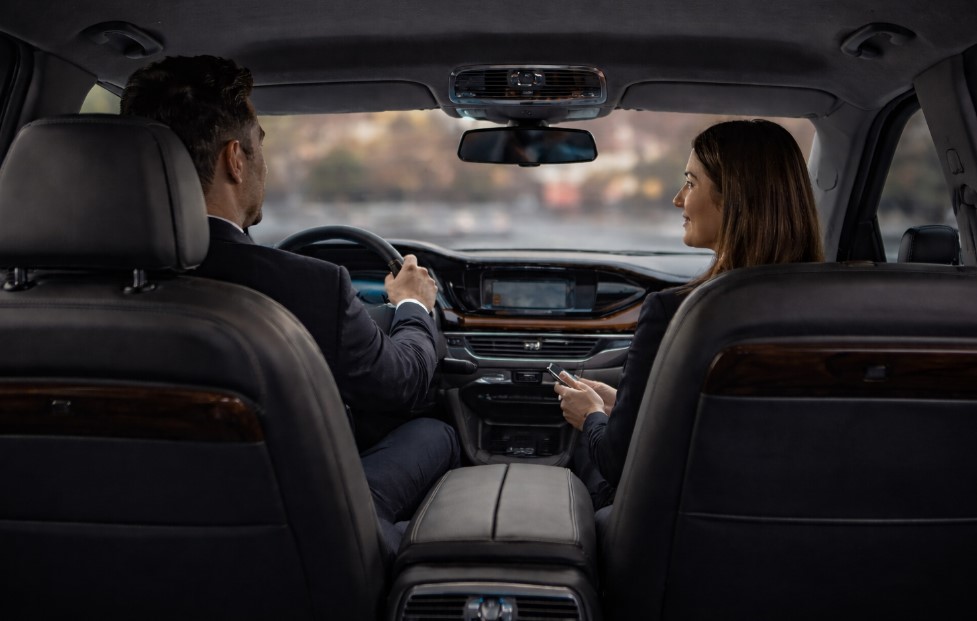
Once inside the vehicle, privacy continues through controlled cabin behavior. The interior of a chauffeur-driven car is treated as a private space rather than a shared environment.
Chauffeurs maintain appropriate distance and adjust seating and mirrors to avoid unnecessary eye contact. Conversations between passengers remain entirely private.
Interior privacy practices often involve:
- Sound-insulated cabins for reduced external noise
- No recording devices or monitoring systems
- Clear boundaries between driver and passenger space
This environment allows clients to relax, work, or speak freely without concern.
Handling High-Sensitivity Clients and Situations
Some clients require an even higher level of discretion. These may include executives, legal professionals, medical clients, or families dealing with sensitive matters.
Professional chauffeur services adapt without drawing attention to these adjustments. Extra planning happens quietly, often involving coordination with security teams or personal assistants.
Additional privacy measures may include:
- Flexible pickup points agreed shortly before arrival
- Adjusted schedules to avoid predictable patterns
- One-driver continuity for repeat journeys
The emphasis remains on normalcy rather than special treatment, which is often the most effective form of discretion.
How Clients Can Support a Discreet Experience
Privacy is most effective when clients and chauffeurs work together. Clear communication helps ensure expectations are met without unnecessary adjustments.
Clients can support discretion by:
- Sharing preferred pickup locations in advance
- Communicating timing sensitivities clearly
- Avoiding last-minute changes in public settings
These small steps help chauffeurs plan smoother, quieter journeys from start to finish.
Privacy as a Standard, Not a Selling Point
The most reliable chauffeur services do not market privacy as an optional feature. They treat it as part of the service baseline. Discreet pickups, unmarked vehicles, and professional conduct are not extras. They are expectations.
When privacy is handled correctly, it often goes unnoticed by design. Journeys feel calm, efficient, and uneventful in the best possible way. Clients arrive where they need to be without drawing attention, managing exposure, or worrying about confidentiality.
In an age where visibility is constant and information travels fast, a chauffeur service that quietly protects privacy offers something increasingly rare. The ability to move freely, confidently, and without being seen.